




From intention to impact intelligence in the next era of storytelling
By Ed Lantz & Julie Davitz
For years, Social Impact Entertainment (SIE) has been defined by intention. Films about climate resilience. Documentaries about human rights. Stories aligned with the UN Sustainable Development Goals. These projects have been essential in establishing SIE as a global movement of purpose-driven storytellers.
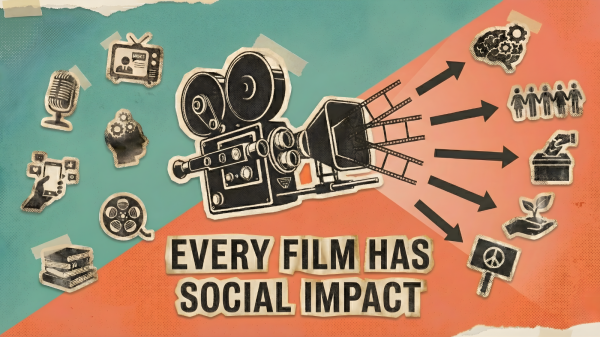
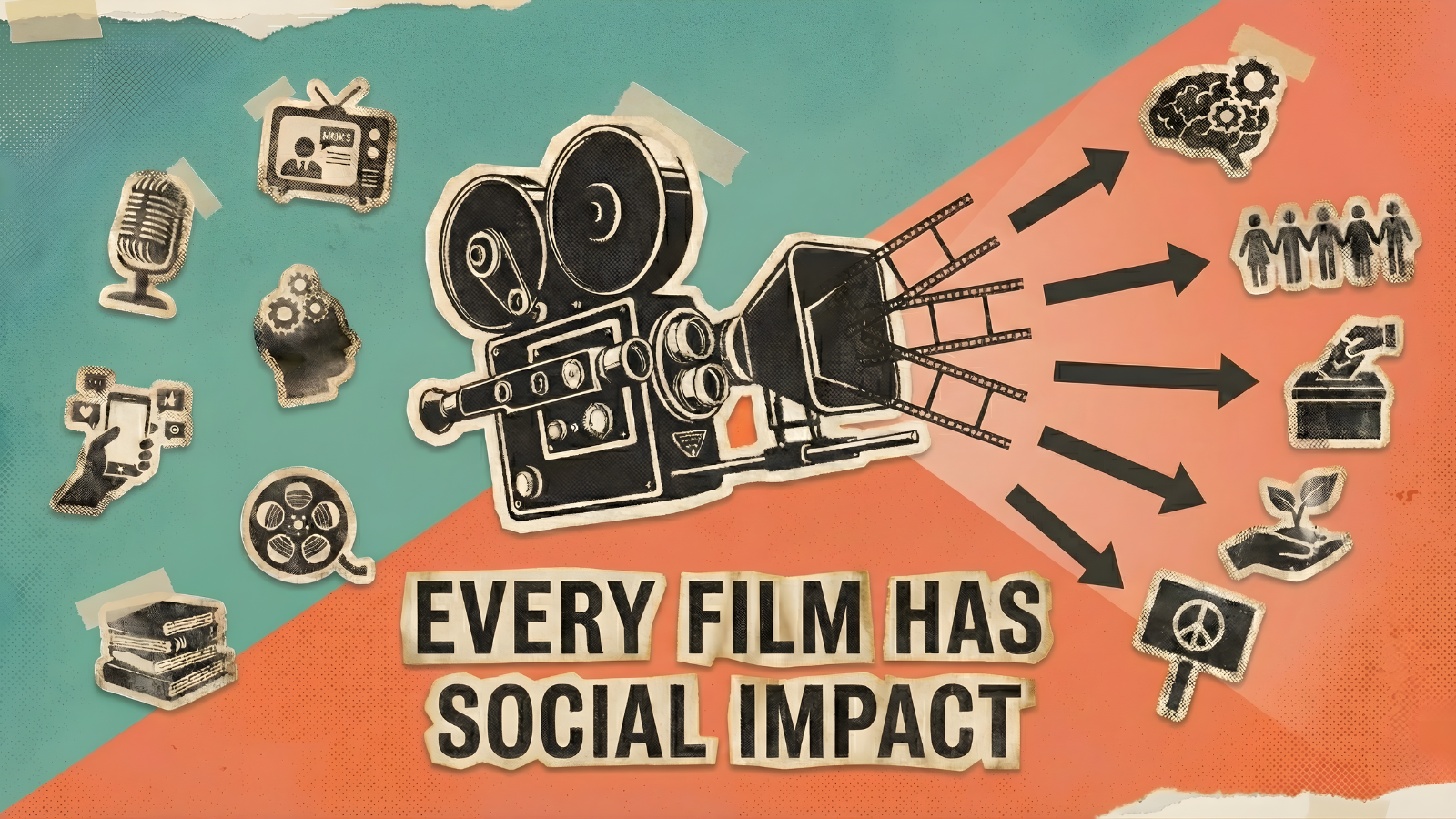
But there is a larger truth we rarely state explicitly: Every film has a social impact.
Not just documentaries.
Not just “issue films.”
Not just projects designed to change the world.
Every story from blockbuster, rom-com, thriller, animated feature, VR experience, TikTok series shapes how audiences think, feel, relate, aspire, and behave.
Media influences:
- Emotional regulation
- Empathy and perspective-taking
- Identity formation
- Social norms
- Cultural narratives
- Consumer and civic behavior
If we accept this, then SIE is not a niche category. It embraces the entire entertainment ecosystem.
The Evolution: From Awareness to Impact Intelligence
Historically, the entertainment industry has measured success through:
- Box office performance
- Ratings
- Streaming hours
- Social buzz
- Awards
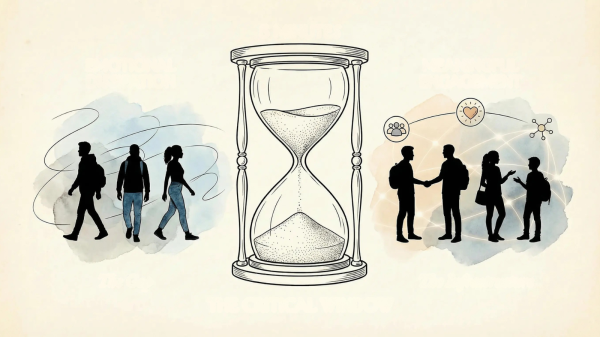
These metrics tell us how many people watched. They do not tell us what changed.
Did a story increase empathy?
Shift attitudes?
Reinforce stereotypes?
Reduce stigma?
Increase anxiety?
Spark hope?
Drive behavior?
For decades, those questions were philosophical. Today, they are measurable. Advances in behavioral science, neuroscience, AI, and audience engagement systems now allow us to understand not only how audiences respond emotionally but what they do next.
This marks a fundamental shift. From impact as aspiration to impact as intelligence.
Stories Change the Brain and the World
Research in narrative psychology and neuroscience confirms that stories:
- Activate mirror neurons and generate empathic resonance
- Increase openness to new perspectives through narrative transportation
- Shape social norms through repetition
- Influence moral imagination and perceived agency
- Regulate nervous systems (calm, inspire, agitate, mobilize)
Filmmakers have always understood this intuitively. What is new is our ability to observe and quantify these effects in real time and to design engagement ecosystems that translate inspiration into measurable action. The story no longer ends at the credits.
From Passive Viewing to Impact Ecosystems
We are entering a new era where storytelling is no longer a one-way broadcast. It’s interactive. Emerging impact operating systems, like the one +Media has built, now allow creators, studios, and distributors to:
- Capture real-time audience sentiment and emotional response
- Map engagement pathways
- Offer aligned calls to action
- Track behavioral outcomes
- Connect audiences to relevant organizations or resources
- Provide sponsors and partners with measurable return on impact
This is not about advocacy mandates. It is about creative intelligence. It is about understanding the ripple effects of storytelling and harnessing them deliberately.
Unintended Impact Is Still Impact
Recent films across genres demonstrate that even entertainment-first projects create profound cultural shifts:
- Barbie sparked global discourse around gender norms and identity
- Top Gun: Maverick influenced recruitment interest and national identity narratives
- Inside Out 2 catalyzed conversations about adolescent mental health
- Oppenheimer revived public debate about scientific ethics and moral responsibility
None of these films were marketed as traditional social impact projects. Yet all had measurable societal effects. The question is no longer whether stories shape culture. The question is whether the industry chooses to understand and design for that influence.
A Bigger Tent for SIE
If all media has impact, then every creator belongs in this conversation. Expanding SIE beyond issue-driven storytelling does not dilute the movement. It strengthens it.
This broader framework allows:
- Mainstream studios to engage without fear of ideological labeling
- Commercial filmmakers to understand downstream psychological and cultural effects
- Brands and sponsors to align with measurable audience engagement
- Creators to refine stories using behavioral insight
Impact assessment becomes a creative tool not a moral judgment.
The Responsibility of Power
Storytelling is one of the most powerful psychological technologies humans have ever invented.
It shapes identity.
It reinforces norms.
It creates belonging.
It influences behavior.
As AI, immersive media, and XR deepen emotional intensity and personalization, storytelling will become even more neurologically and socially powerful.
The responsibility is not political. It’s creative. It’s a call to understand the influence we already wield. To measure what we previously guessed. To design stories that resonate and to learn from the effects they create.
A Call to the Industry
You do not need to change your genre. You do not need to make an “issue film.” But you can ask:
What is the emotional and behavioral footprint of this story? What world does it reinforce? What future does it imagine? What actions does it inspire or discourage?
The next evolution of Social Impact Entertainment is not about narrowing storytelling. It is about expanding awareness. That has been the goal of +Media from day one: from intention to intelligence; from philosophy to measurement; from passive audiences to engaged ecosystems.
Every film has impact. It is time we treat that truth as both an artistic insight and an operational reality.